Fire Alarm Verification; it shouldn’t be a black box
/Don’t be shy, if you are a General Contractor and your knowledge of fire alarm verification is “that it verifies the fire alarm system” put your hand up 🙋🏼♂️. GCs are fortunate that with the right electrical sub-trade and the right fire alarm technician, they may not ‘need’ to know more than that. Though, whether you need to or not, Fire Alarm verification is an important step in a construction project that you should fully understand.
Firetechs.net describes fire alarm verification as “a highly specialized test performed on a fire alarm system in accordance with CAN/ULC-S537 (Standard for Verification of Fire Alarm Systems) by an individual that can demonstrate knowledge of the referenced Standard, the Canadian Electrical Code, the Building Code, and has both the training and experience recognized and accepted by the local jurisdictional authority.”
That sounds fancy and difficult but the basic parts and processes are actually quite easy to understand. In this blog post, we will delve into the initial install and programming part of fire alarm verification, explaining what verification entails and how it is carried out. This will allow you the ability to confidently understand what your electrician or fire alarm technician is describing to you when they are going through the process.
Why is Fire Alarm Verification Necessary?
Fire alarm verification is the process of testing and validating the functionality of a fire alarm system after its installation. Verification is a critical step in construction projects because it ensures that the fire alarm system can detect and respond to fire incidents effectively. Here's why verification is necessary:
1. Life Safety: Fire alarm systems are designed to save lives. Verification ensures that all components, such as smoke detectors, heat sensors, alarms, and communication devices, are in optimal working condition to promptly detect and alert occupants about potential fire hazards.
2. Property Protection: Beyond safeguarding lives, fire alarm systems protect property and valuable assets from fire-related damage. Verification helps in identifying any flaws or malfunctions that could lead to delayed or improper responses during an emergency.
3. Compliance and Insurance: In many jurisdictions, fire alarm verification is a legal requirement. Construction projects that adhere to verification standards not only comply with regulations but also improve their chances of obtaining insurance coverage and reducing insurance premiums.
4. Early Detection and Intervention: Quick response to a fire incident is crucial. Verification ensures that the fire alarm system can detect fire at its early stages, allowing for timely intervention and preventing potential disasters.
What Does Fire Alarm Verification Include?
Fire alarm verification is a comprehensive process involving multiple steps to assess the system's functionality thoroughly. The key aspects of fire alarm verification include:
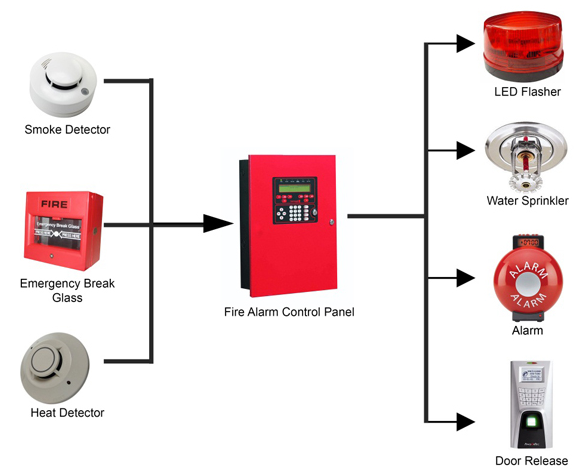
1. Functional Testing: Each component of the fire alarm system is tested individually to ensure it operates as intended. This includes testing smoke detectors, heat sensors, manual pull stations, alarm horns, strobes, and control panels.
2. Communication Testing: Verification evaluates the system's communication capabilities, such as testing the connection between the fire alarm panel and the central monitoring station. This ensures that alerts are transmitted promptly to the appropriate authorities.
3. Alarm Sequencing: The verification process examines the proper sequencing of alarms and alerts. This includes verifying that alarms sound in the correct zones and that the evacuation signals are distinguishable from other signals.
4. Battery Backup Testing: Fire alarm systems must function during power outages. Verification involves testing the battery backup to ensure the system's continuous operation even in the absence of primary power.
5. False Alarm Prevention: The system's sensitivity settings are checked to minimize false alarms, which can lead to complacency among occupants and emergency responders.
Preparation Prior to Fire Alarm Verification
Before initiating the fire alarm verification process, adequate preparation is essential to ensure a smooth and accurate assessment of the system's functionality. Several fundamental steps must be taken to set the stage for a successful verification process. Let's explore these preparatory measures:
1. Device Installation: Prior to verification, ensure that all fire alarm devices are correctly installed and wired according to the approved design plans and manufacturer's guidelines. This includes smoke detectors, heat sensors, manual pull stations, notification appliances (such as alarm horns and strobes), and any other components specific to the system. The electrical contractor is responsible for installing devices as per CANULC S524-14 Installation Standard, an electrical contractor must know this code thoroughly, it is no different than their electrical code. Once they have installed all devices within the CANULC guidelines, a verification can be performed under CANULC S537-13 Verification Standard.

2. Dust-Free Environment: The construction site can be a dusty and challenging environment, which can adversely affect the fire alarm system's sensors and components. It is essential to thoroughly clean the construction area to minimize dust and debris that may interfere with the proper functioning of the fire alarm system. Dust-free surroundings facilitate accurate testing during the verification process.

3. Uploading the Fire Alarm Program: The fire alarm program, also known as the configuration or software settings, must be correctly uploaded into the fire alarm control panel. This program contains essential data such as device addresses, alarm zones, communication settings, and sensitivity levels. Proper programming ensures that the fire alarm system functions optimally and according to the project's specific requirements.

4. Reviewing Documentation: Review all relevant documentation, including the fire alarm system design plans, specifications, and manufacturer's instructions. Familiarize yourself with the system's intended operation and the sequence of alarms, evacuation signals, and communication protocols.
5. Coordination with Stakeholders: Ensure clear communication and coordination among all relevant stakeholders involved in the construction project. This includes the construction team, fire protection technicians, project managers, engineers, and verification experts. A well-coordinated effort can help address any potential issues or concerns proactively and streamline the verification process
6. System Walkthrough: Conduct a thorough walkthrough of the fire alarm system with the verification team to visually inspect all installed devices, wiring, and connections. This step helps identify any potential installation issues or deviations from the approved plans.
7. Battery and Power Check: Verify that the fire alarm system's battery backup is installed and fully charged. It is common that a 24 hour load test is completed prior to verification. Additionally, ensure that the primary power supply is active and stable to support the verification process without any interruptions.
How is Fire Alarm Verification Performed?
Certified technicians or third-party verification agencies typically perform the process. Here's an overview of the steps involved in fire alarm verification:
Preparation: Gather the construction and fire alarm system documentation, including design plans and specifications.
Functional Testing: Technicians test each component of the fire alarm system to ensure proper functionality. This involves initiating alarms, checking sensors, and evaluating responses.
Inspection: Physically inspect all fire alarm devices, wiring, and connections to identify any visible issues or discrepancies.
Communication Testing: Validate communication links between the fire alarm system and monitoring station.
Verification Report: After completing the verification, a detailed report is generated, documenting the testing process, results, and any necessary corrective actions. Along with the report, a Certificate of Verification will be received. The verification report must stay onsite with the system for the entire life of that FACP, and should be ready at a moment’s notice for the service company coming in for inspection as well as the fire department.
Corrective Actions: If any issues are identified during verification, they must be addressed promptly. This may involve replacing faulty components or adjusting settings to meet compliance standards.
Conclusion
How was that for drinking from a fire hose? (pun intended)
Fire alarm verification is a mandatory aspect of construction projects. Ensuring the proper programming and functionality of fire alarm systems can save lives, protect property, and promote compliance with safety regulations. By conducting thorough verification, construction professionals can be confident in the reliability of their fire alarm systems, providing occupants with a safer environment and peace of mind.
Remember, fire alarm systems must be periodically re-verified to account for changes or additions in the building and to maintain compliance with evolving safety standards. Prioritizing fire alarm verification ensures that buildings and their occupants are well-prepared to handle potential fire emergencies effectively.